
Some wildlife stories stay with you forever. Not because they end in triumph, but because they reveal both the cruelty and compassion that exist in our world.
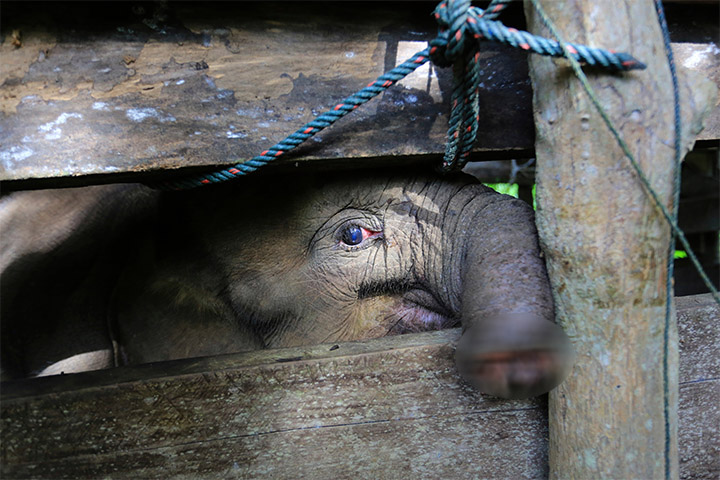
A few years ago, villagers in the forests of Sumatra discovered a one-year-old elephant calf standing alone, weak and trembling. At first glance, rescuers could hardly believe she was still alive. A poacher’s snare had cut deep into her trunk, leaving half of it destroyed. The wound had become severely infected, and every breath seemed to require tremendous effort.
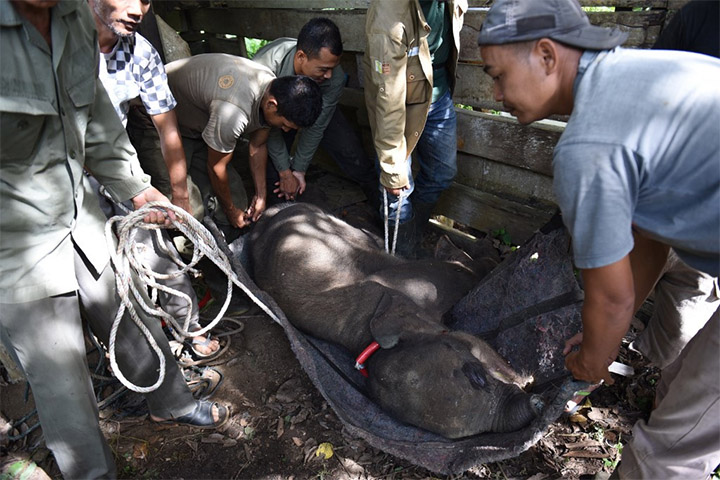
As a wildlife conservation specialist, I have seen injured elephants recover from remarkable odds. But the moment veterinarians examined this tiny calf, everyone understood the battle ahead would be difficult.
The young elephant was rushed into emergency care. Veterinarians worked through the night, making a heartbreaking decision: the remaining damaged portion of her trunk had to be amputated to give her any chance of survival. It was a desperate, life-or-death operation.
For a brief moment, hope returned.
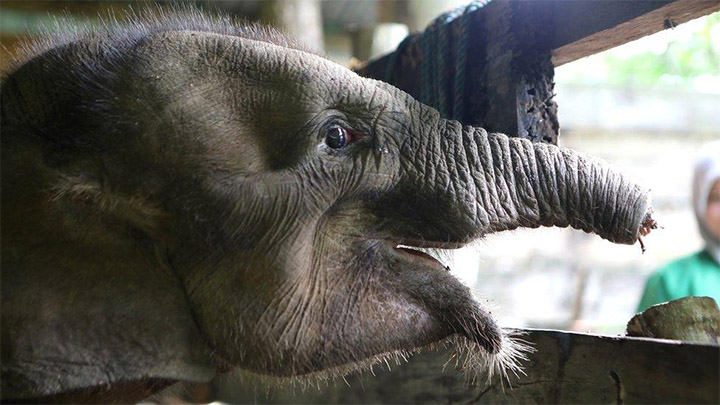
After surgery, the calf showed signs of improvement. Caregivers fed her by hand because she could no longer use her trunk to eat or drink. Every small movement brought smiles to exhausted rescuers. They whispered encouragement, celebrated tiny victories, and dreamed of the day she might return to the forest.
But nature can be unforgiving.
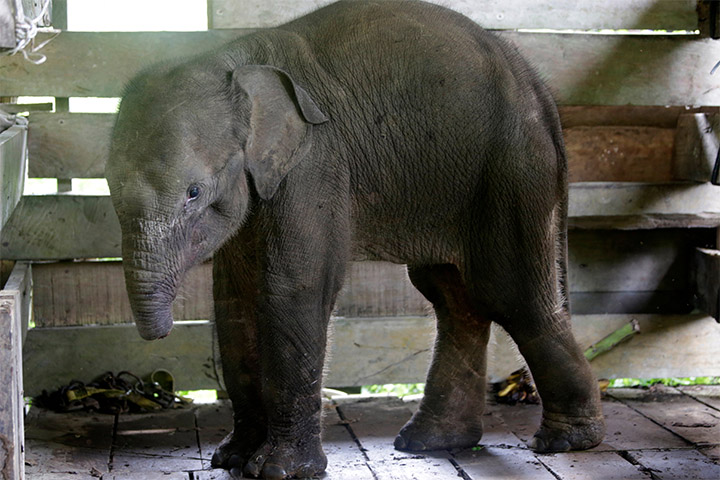
The severe infection had already spread through her fragile body. Stress, pain, and complications became too much for the young elephant to overcome. Just days after her rescue, she quietly slipped away.
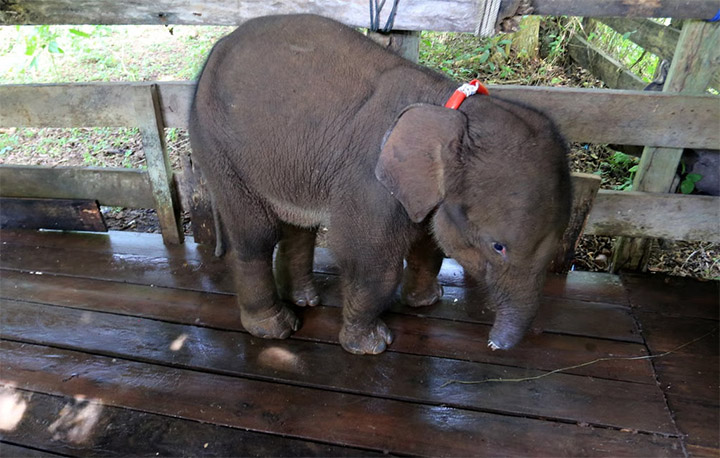
What breaks my heart most is that her suffering was entirely preventable. A simple snare, set for profit, stole the future of a calf who had done nothing more than wander through her forest home.
Today, fewer than a thousand wild Sumatran elephants remain. Each loss is more than a statistic—it is a missing daughter, a lost future mother, and a reminder of how fragile these magnificent animals have become.
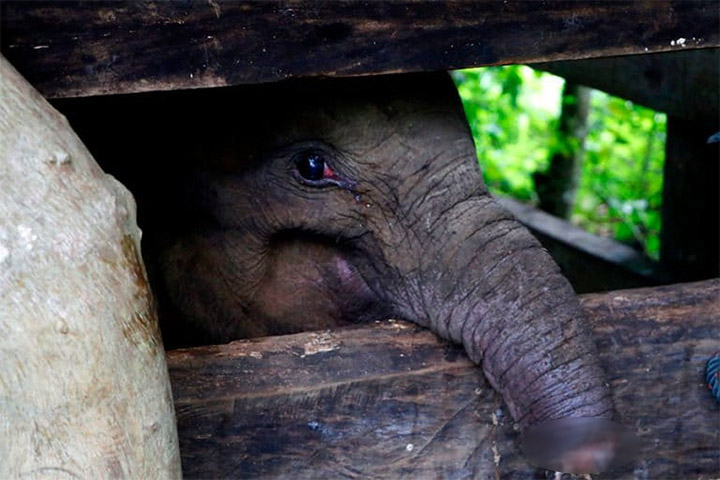
The little elephant’s life was short, but her story carries a message that deserves to be heard: when greed places traps in the wild, it is often the innocent who pay the highest price.
And somewhere in the forests of Sumatra, her silent footsteps are still missed.


Leave a Reply
You must be logged in to post a comment.